

This Surviving on Four Buckets documentary series forms part of a broader research project documenting the everyday realities of water access in Mountain City and Phumla Mqashi. The research examines how households, caregivers, children, local organisations and small businesses experience unreliable water provision, long waiting times for tanker deliveries, the costs of buying water privately, and the physical and emotional labour involved in securing enough water for daily life. Through interviews, observations, photographs and videos, the video series sought to show that water insecurity is not only about a lack of infrastructure. It affects health, dignity, food security, childcare, education, income-generating activities and people’s ability to plan their lives.
The screening event is an important part of taking the research back to the people whose experiences, time and knowledge made the work possible. Communities are often asked to participate in research projects, but they do not always get to see what happens with their stories afterwards. Researchers may collect information, publish reports, present findings at conferences or use the material to influence policy, while the people who shared their experiences are left out of the conversation. Going back to the community challenges this pattern. It recognises that residents are not simply ‘research participants’, but knowledge holders, experts in their own daily realities, and partners in shaping how their stories are understood and used.

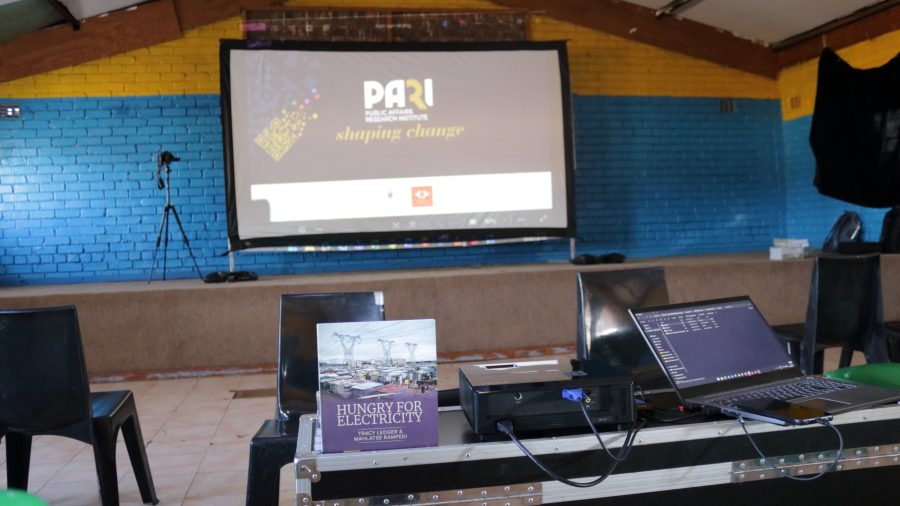
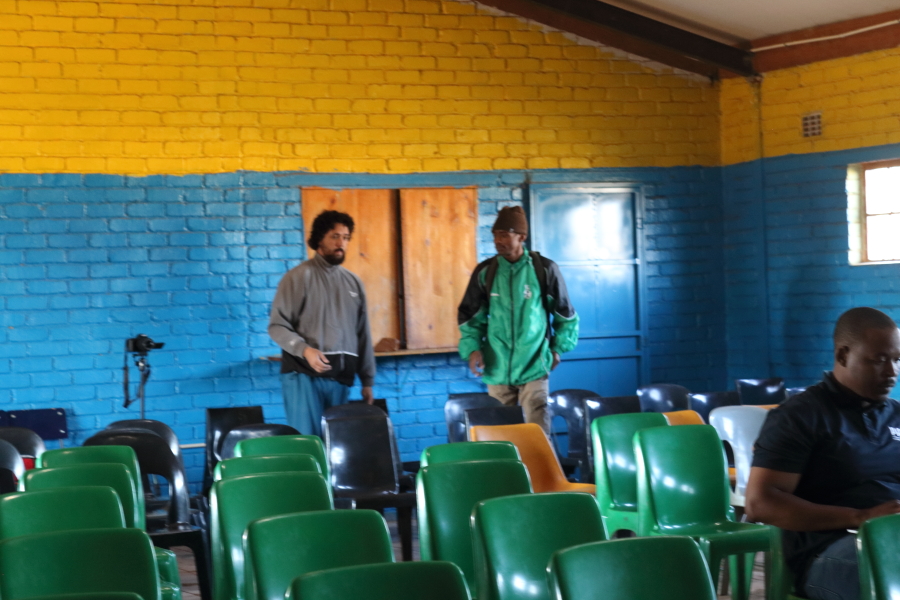
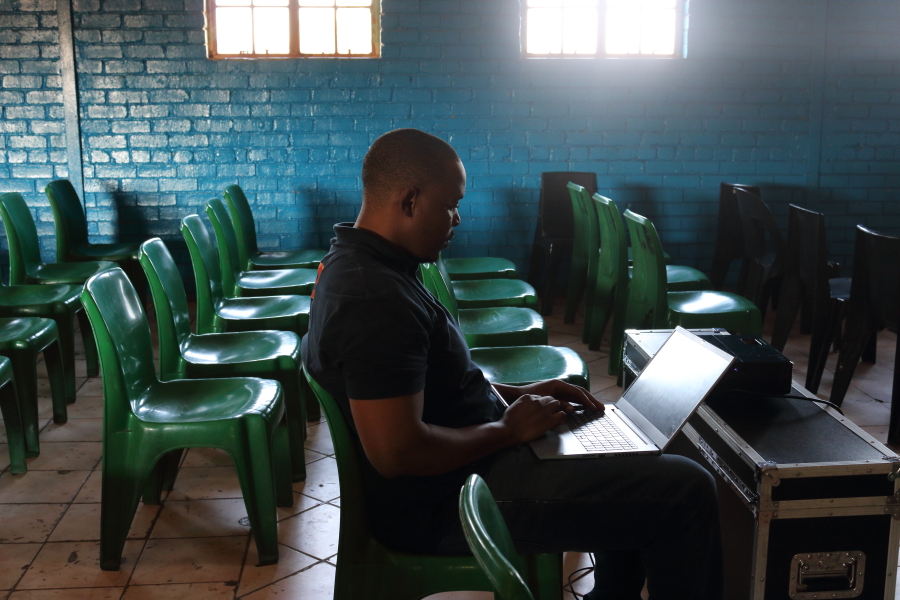
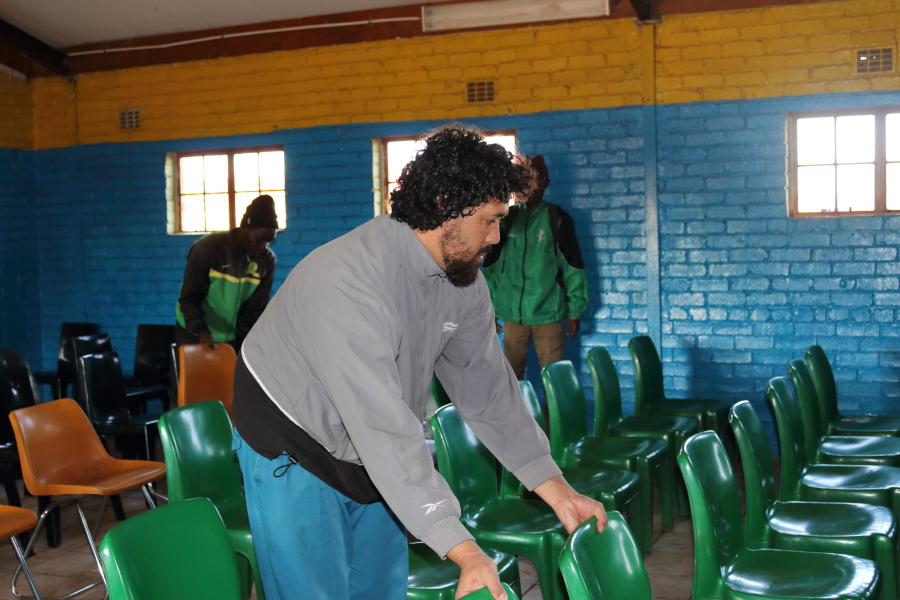

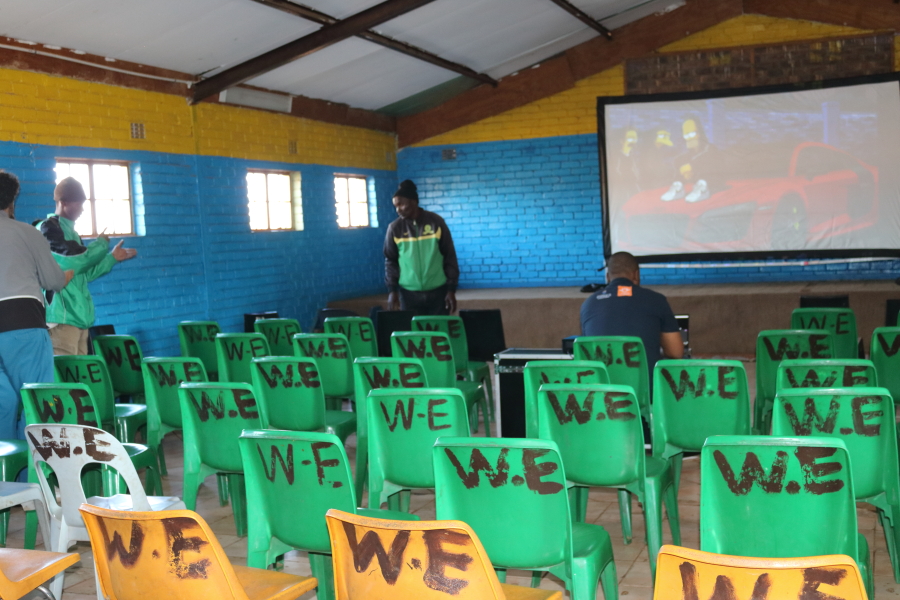
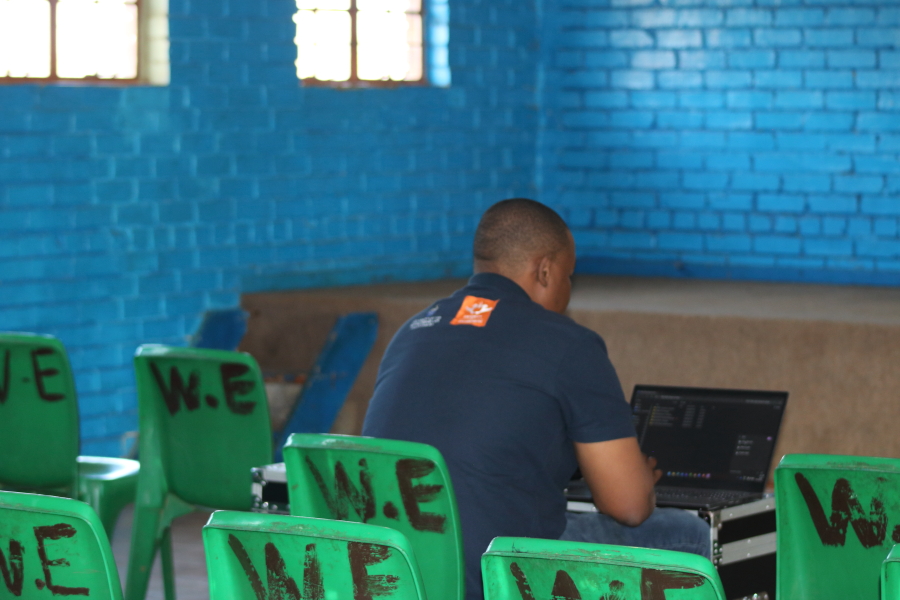
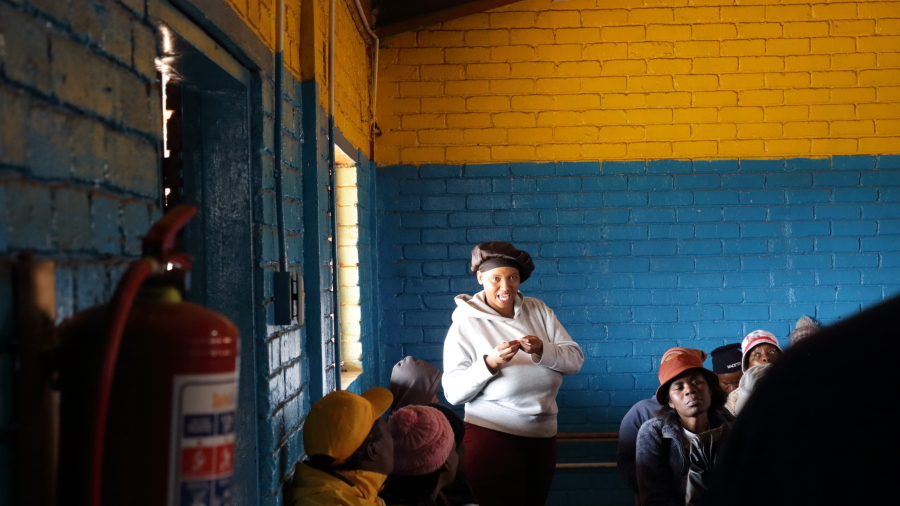

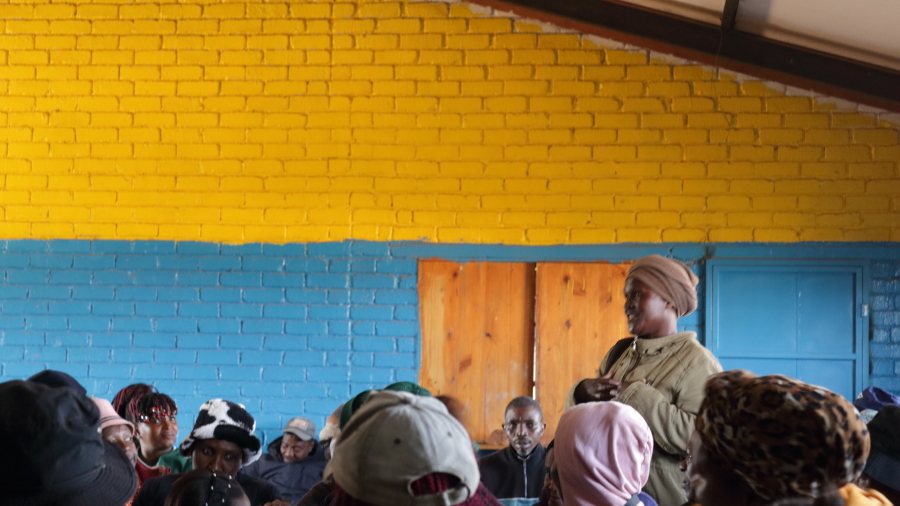
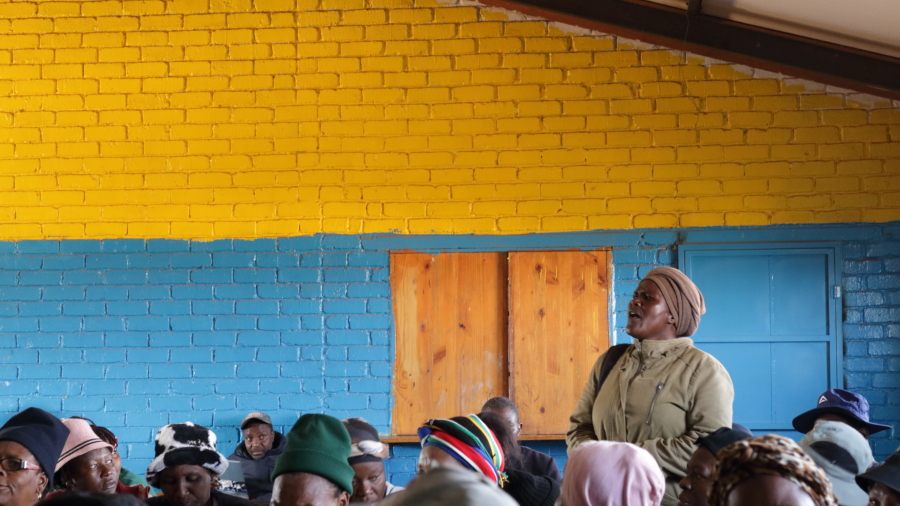
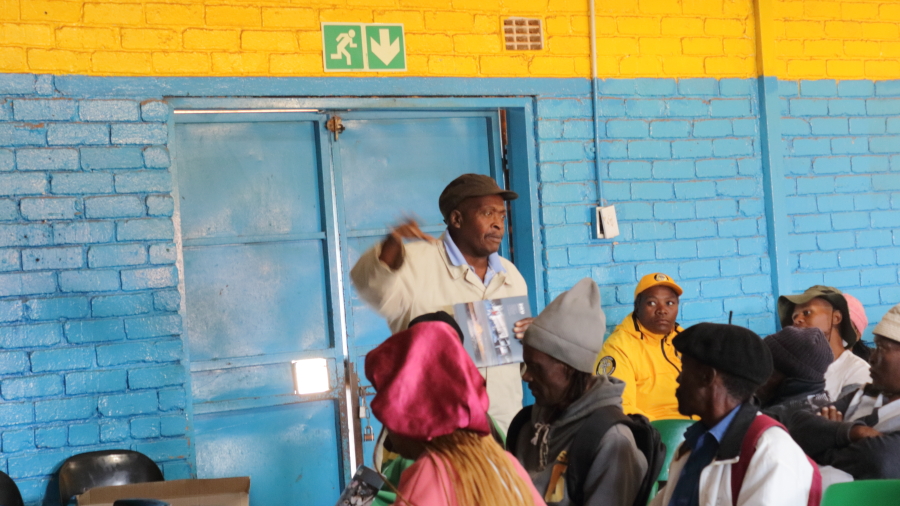
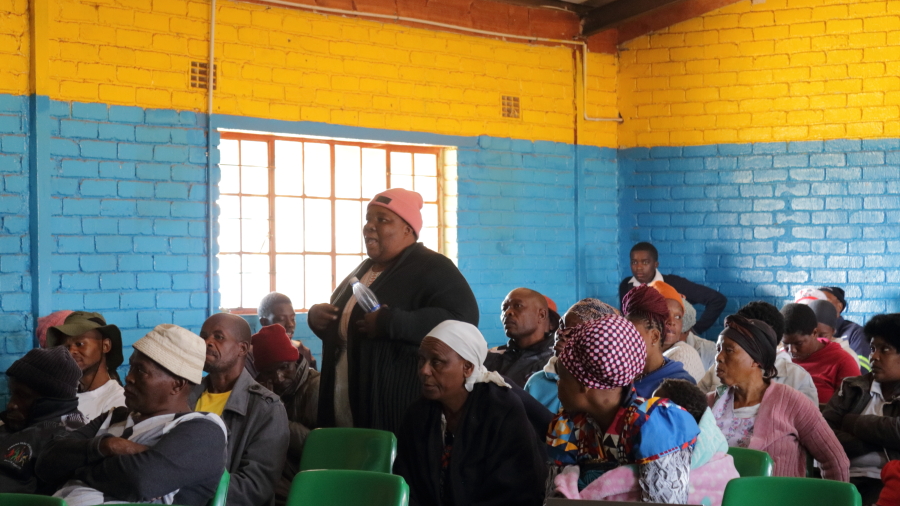
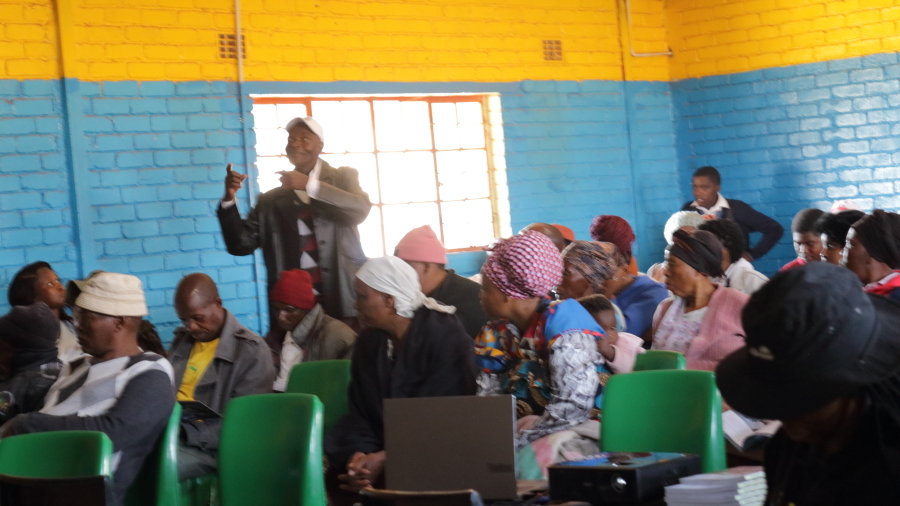
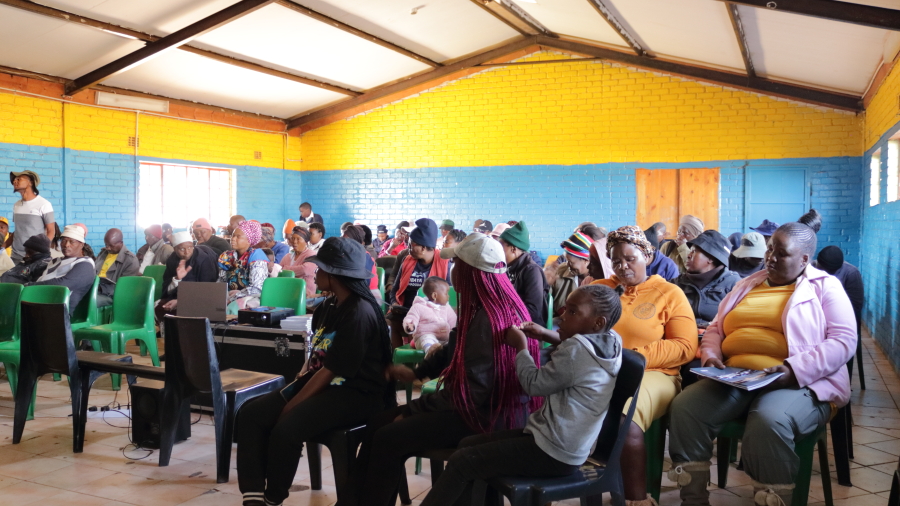
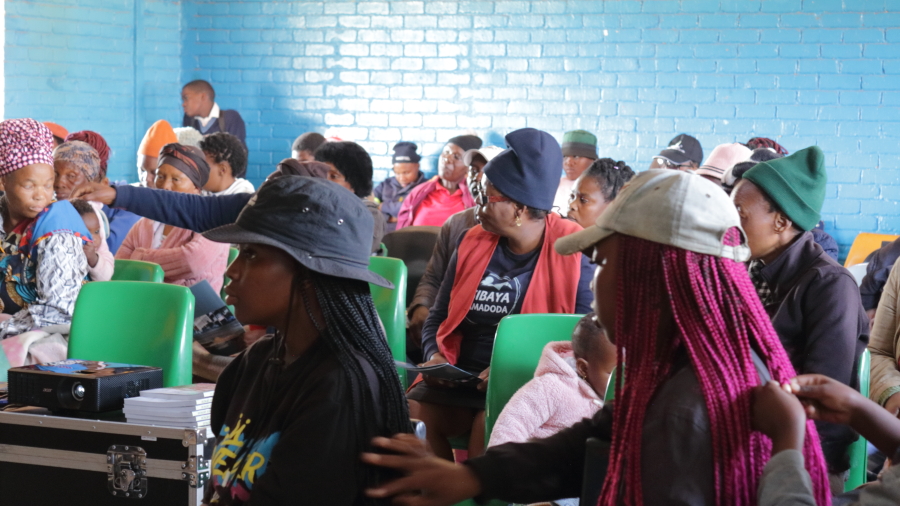
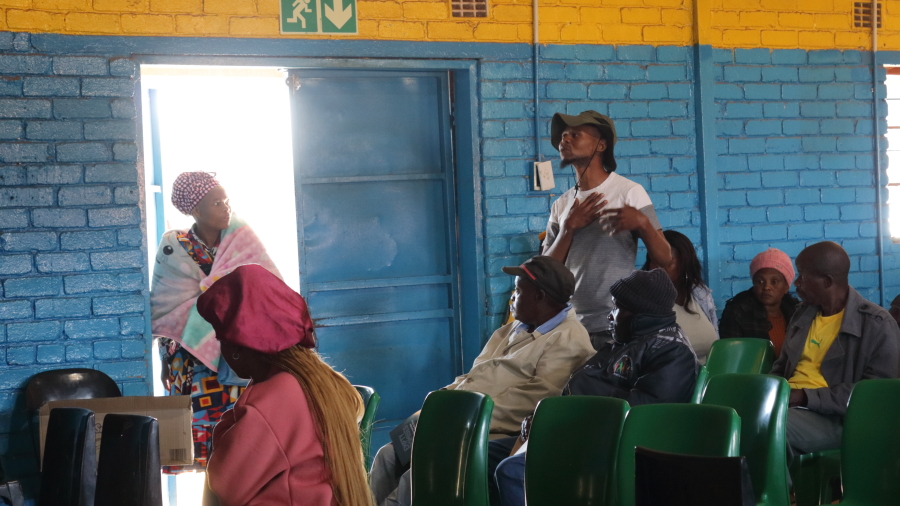
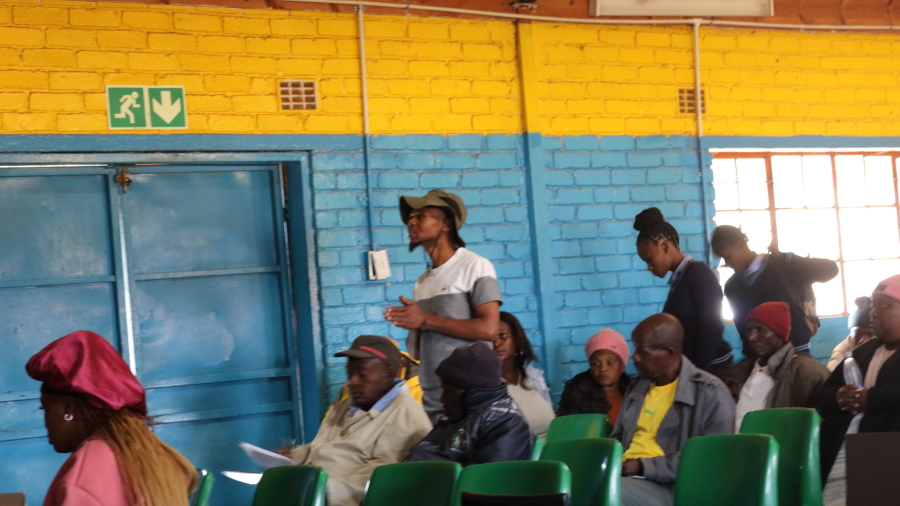
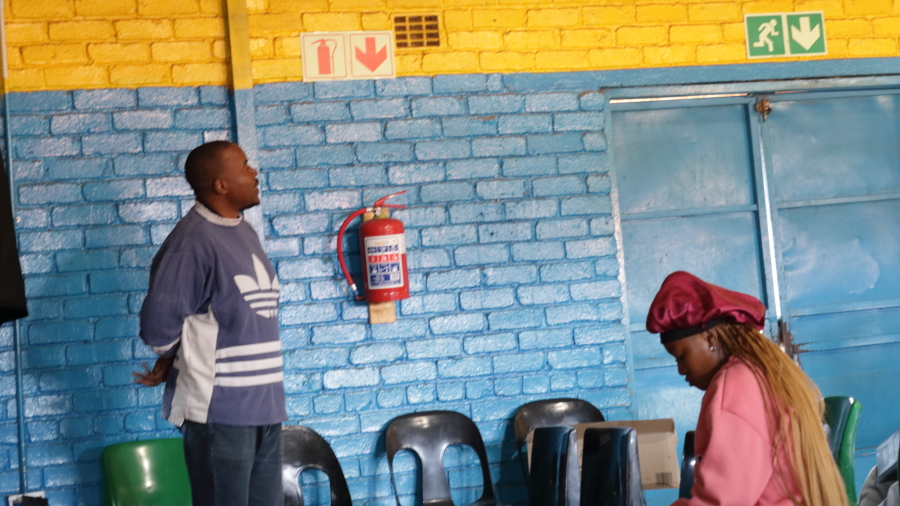
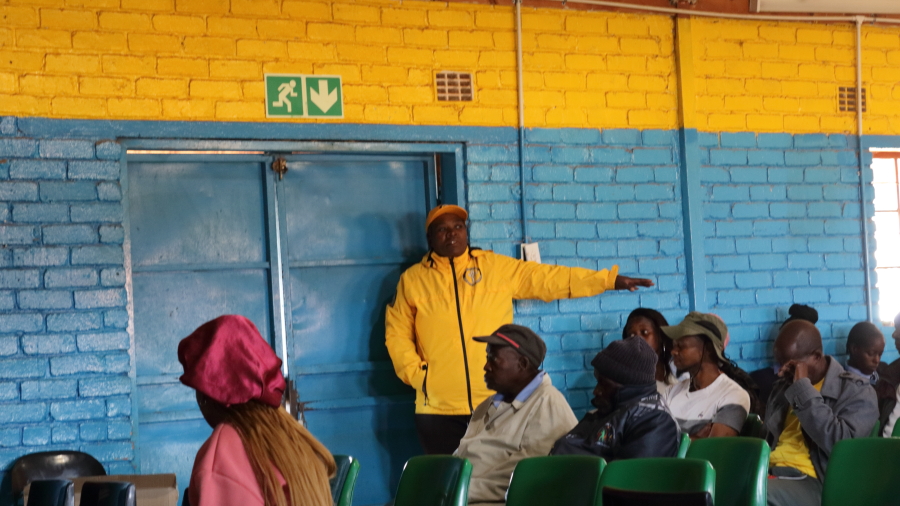
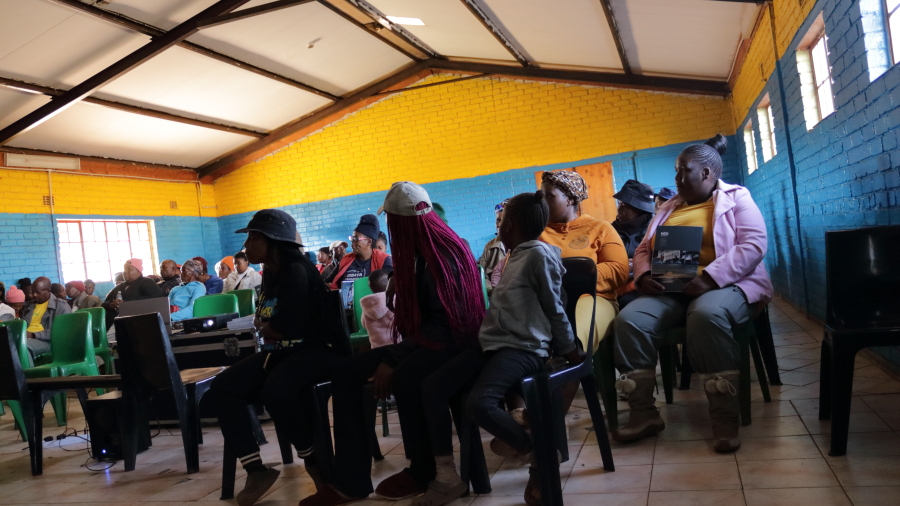
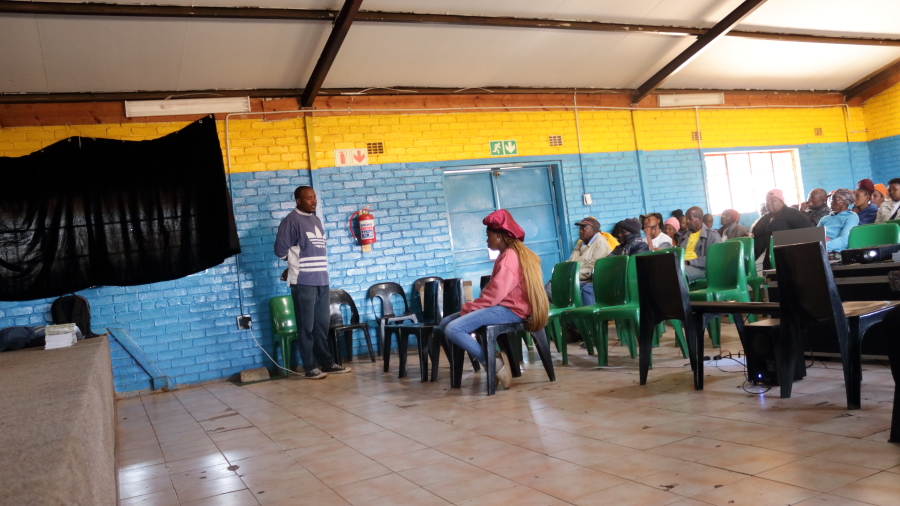
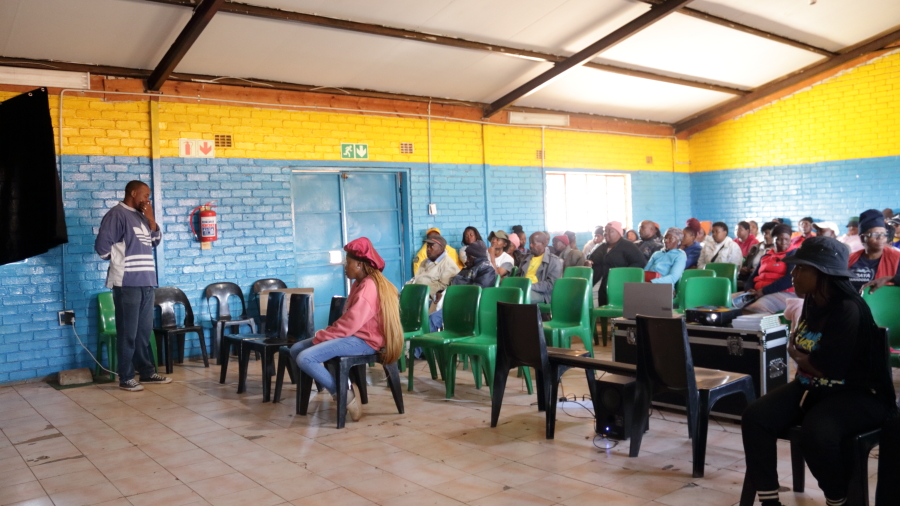
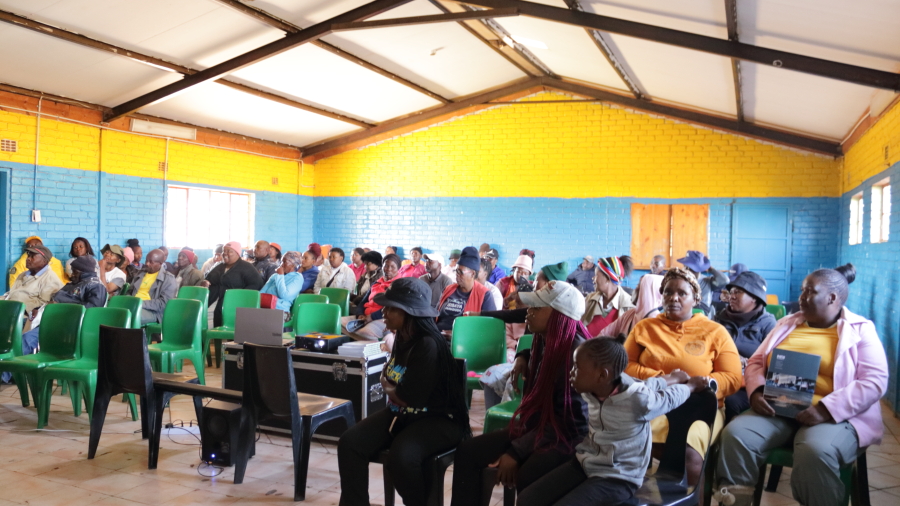
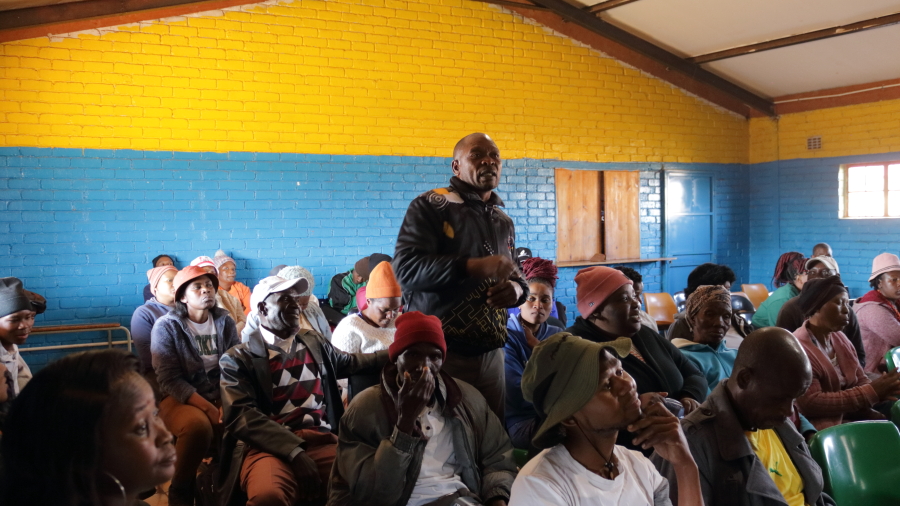
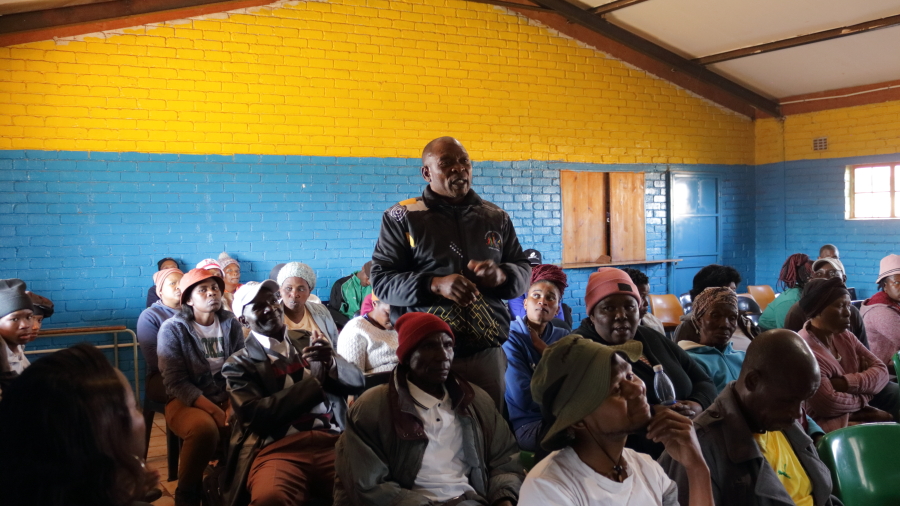
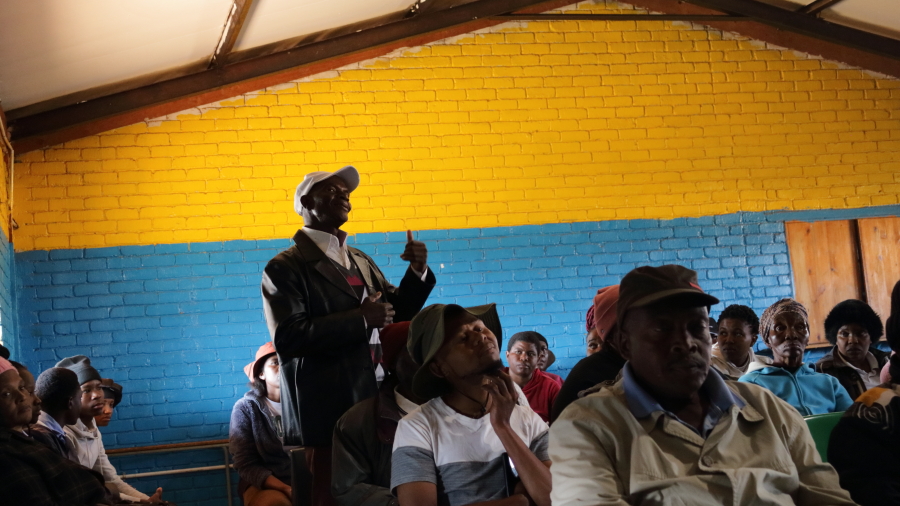
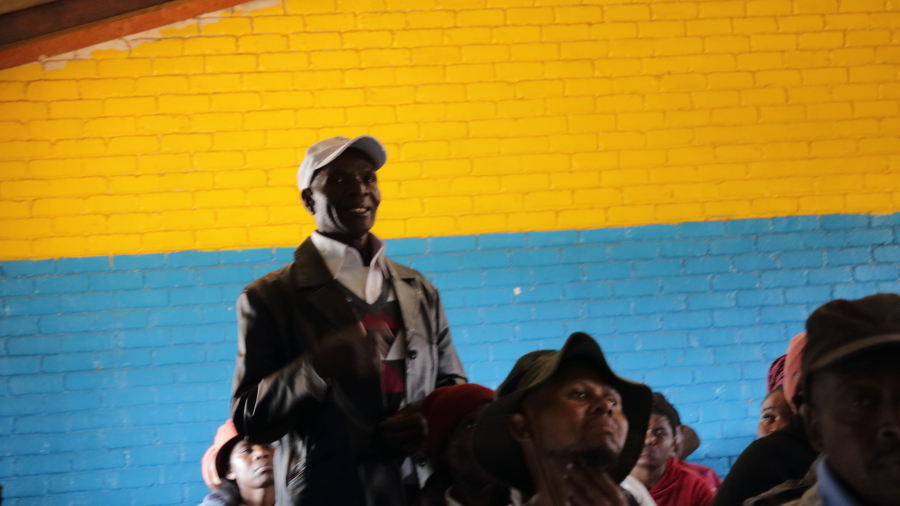
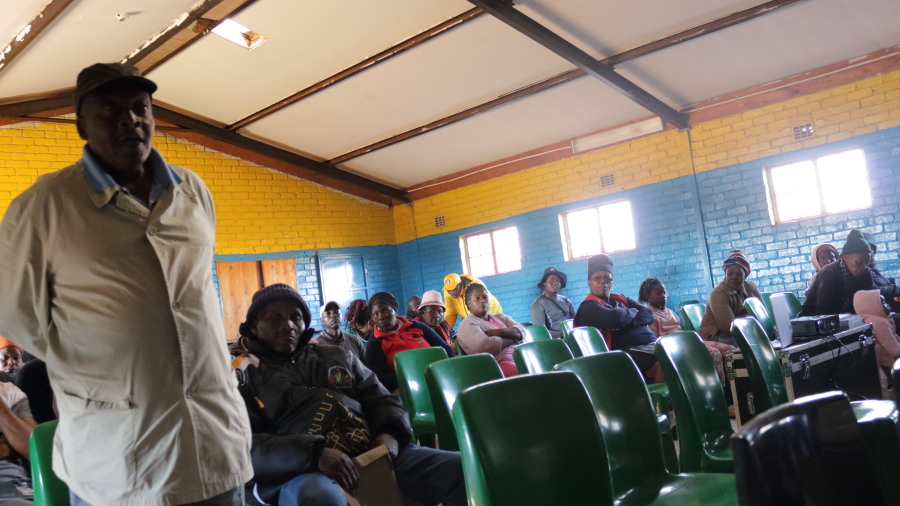
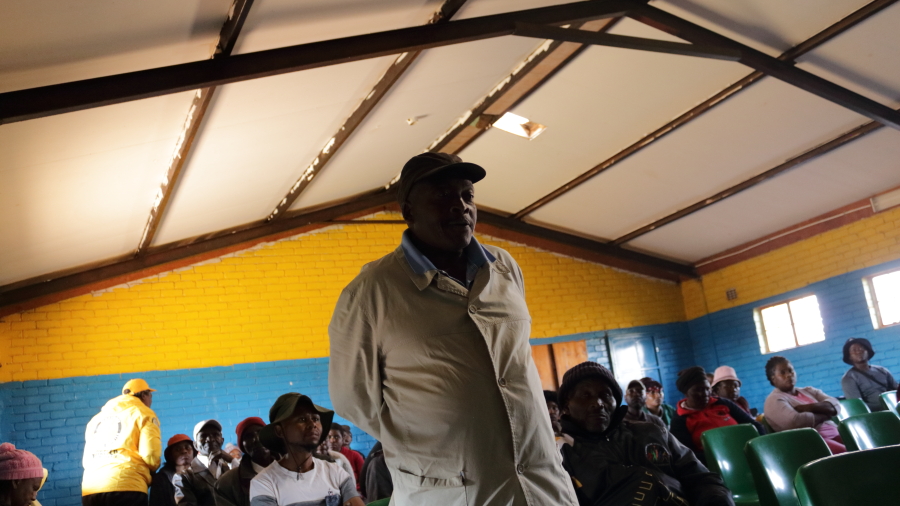
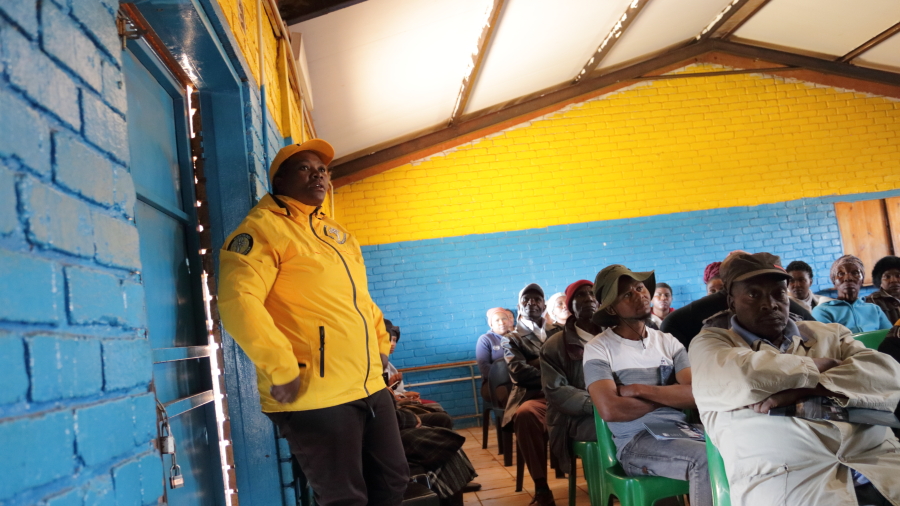
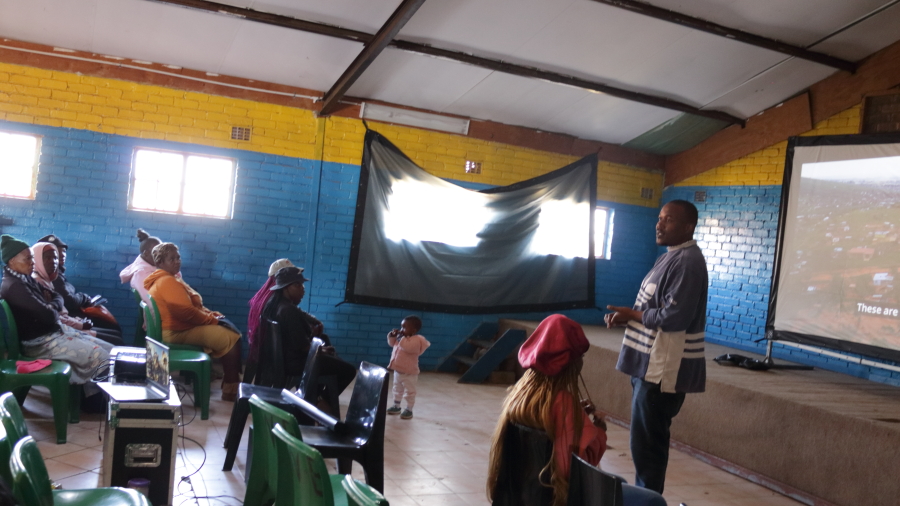
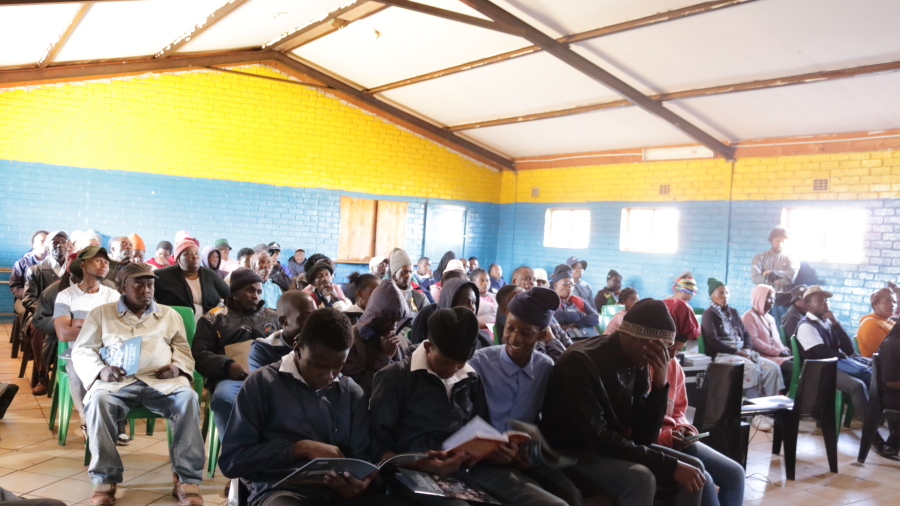
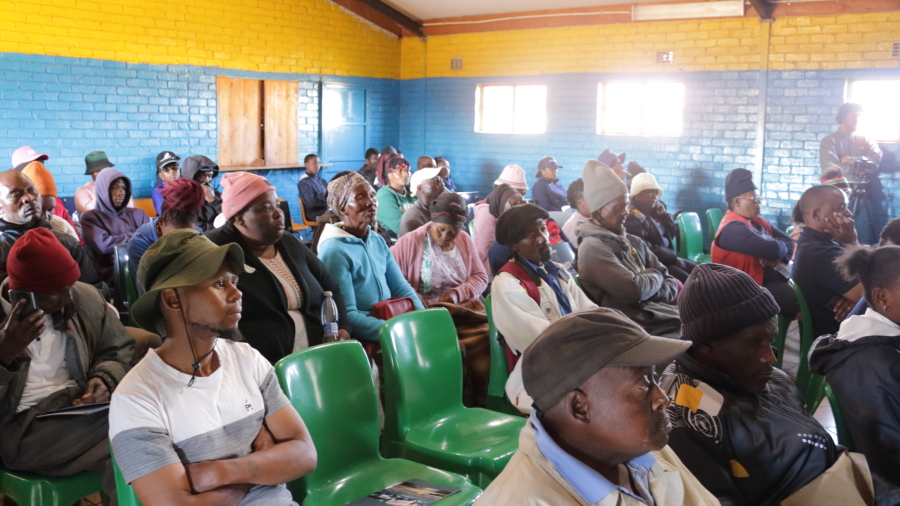
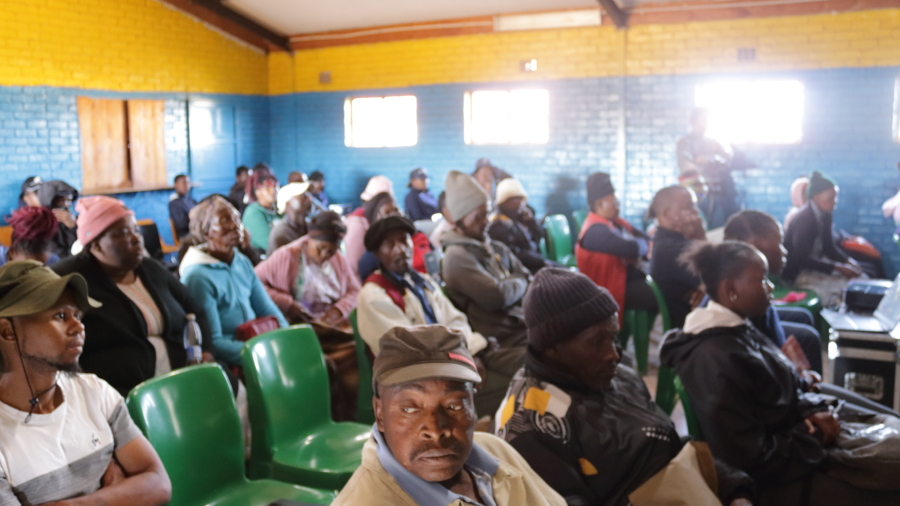

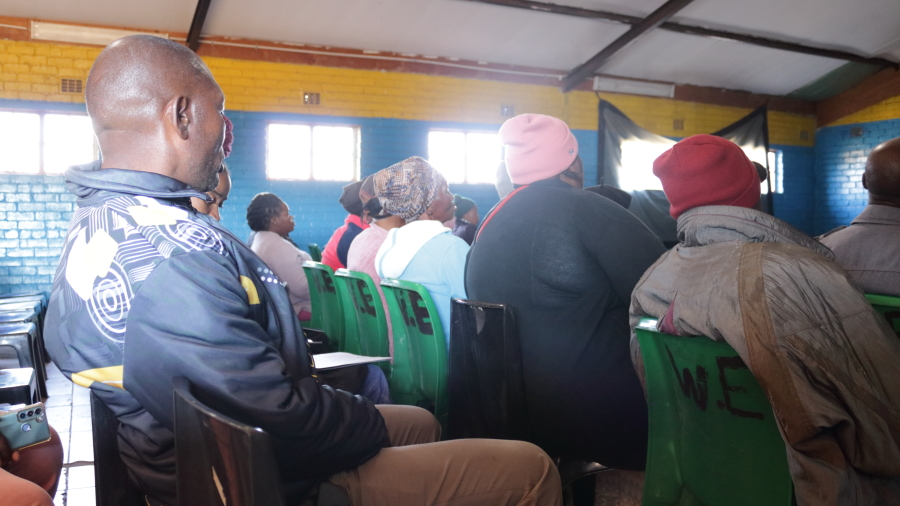
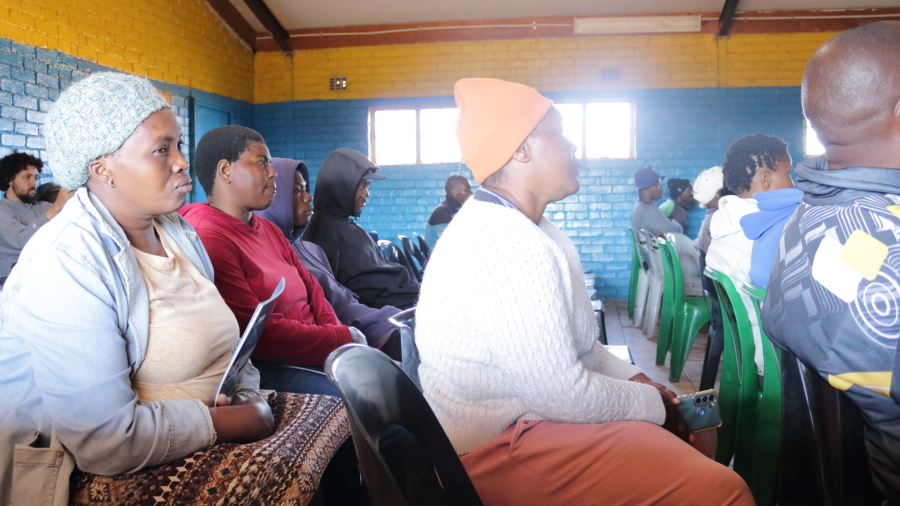
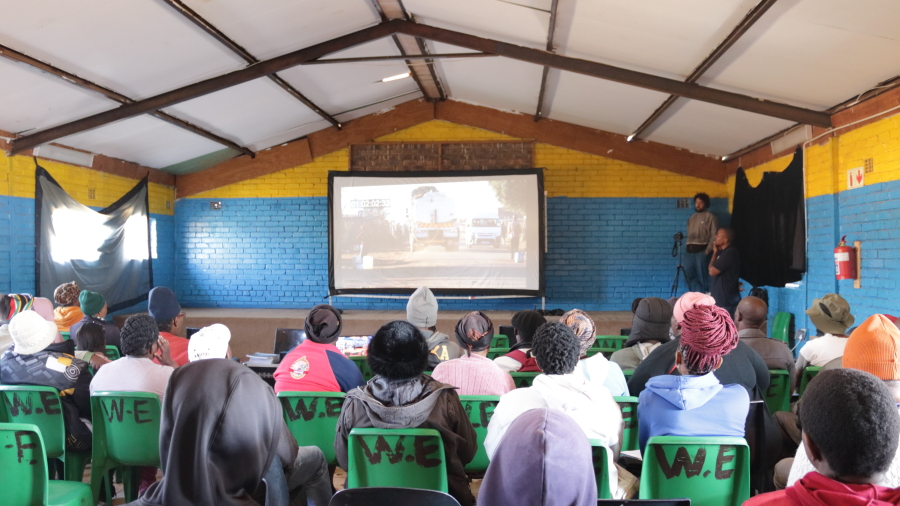
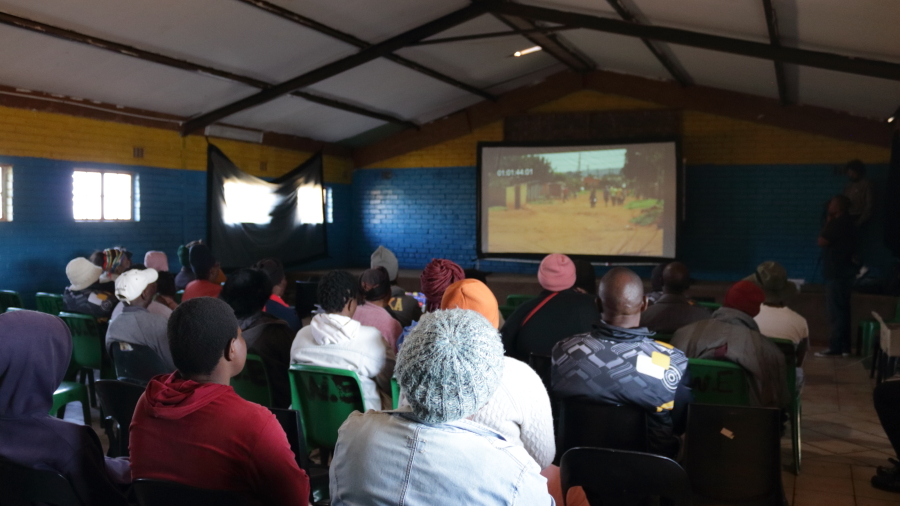

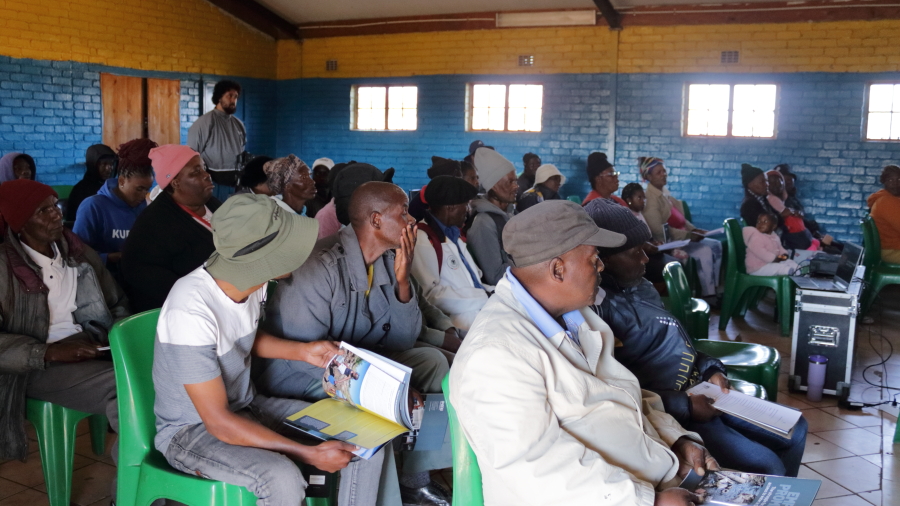
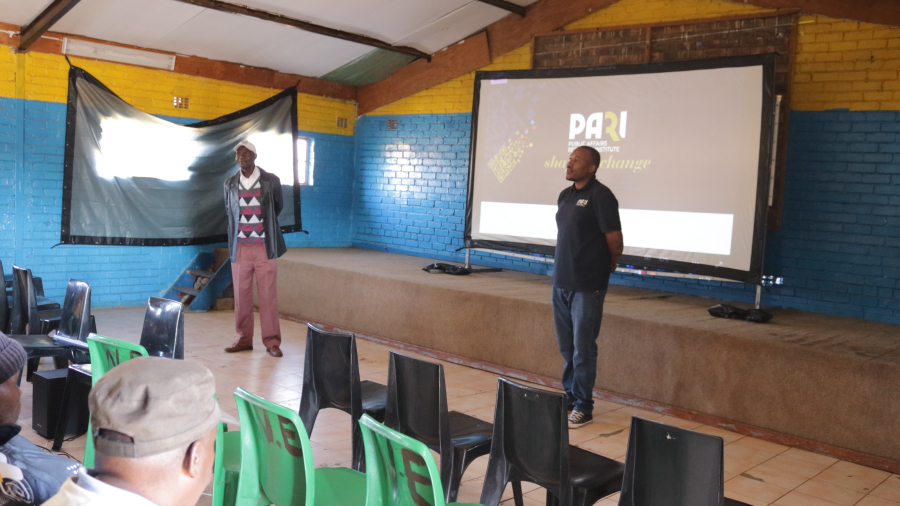
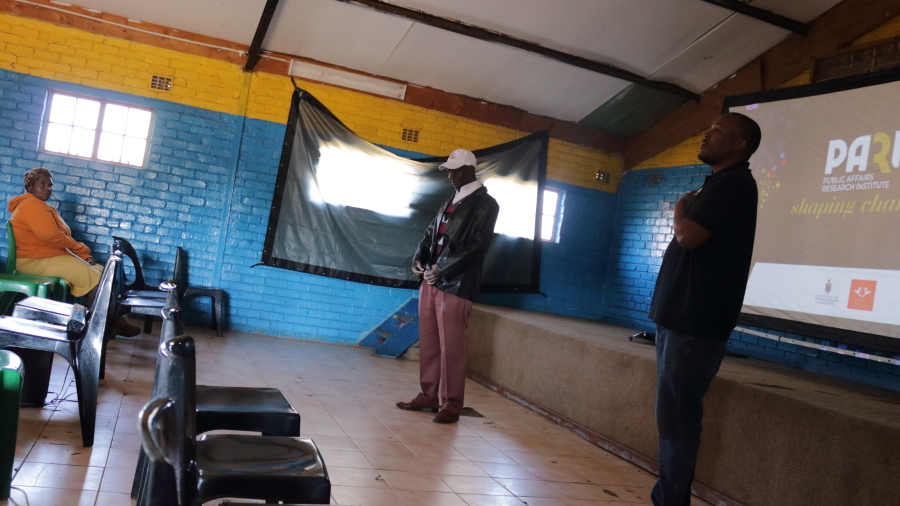
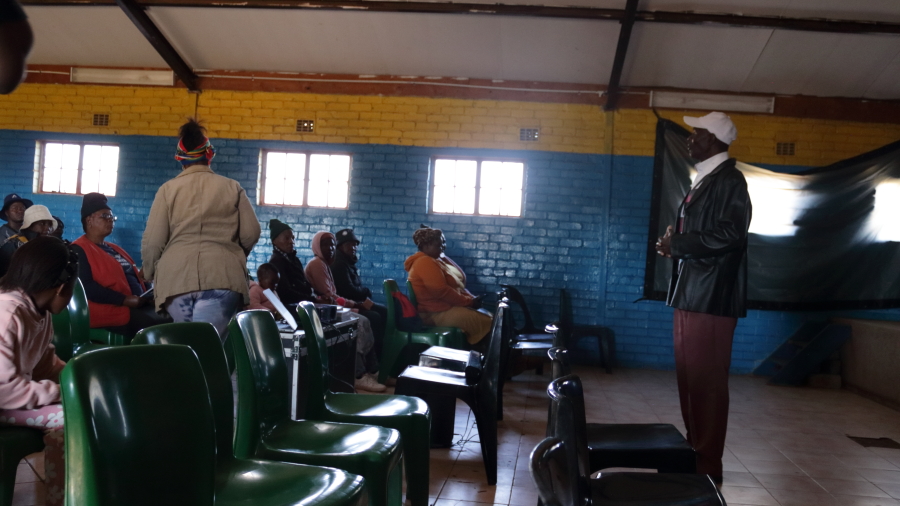
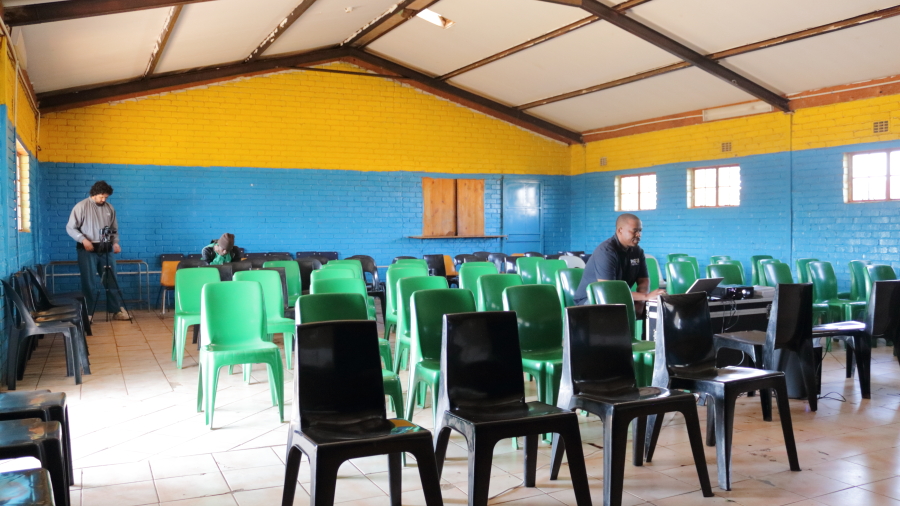
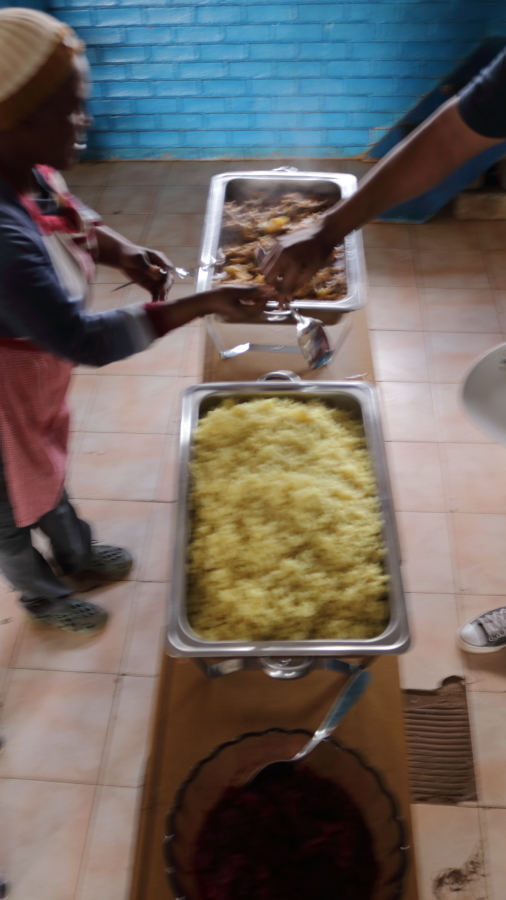
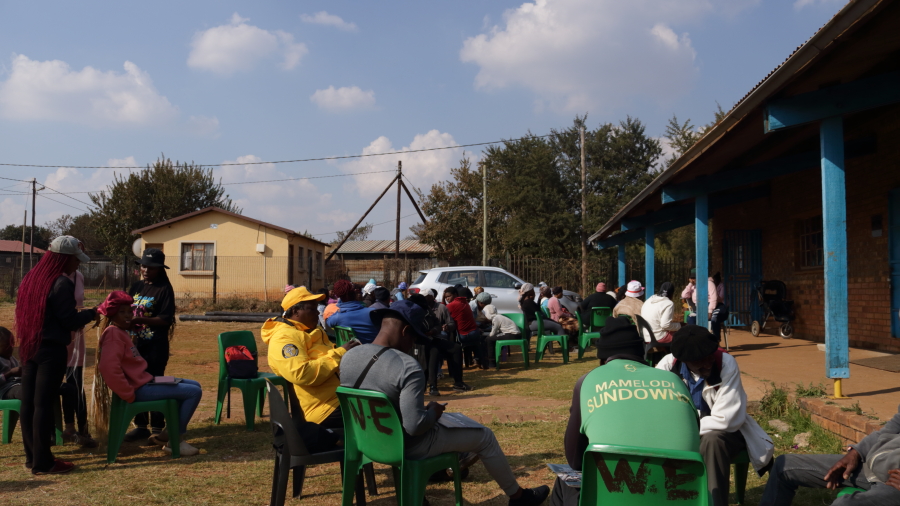
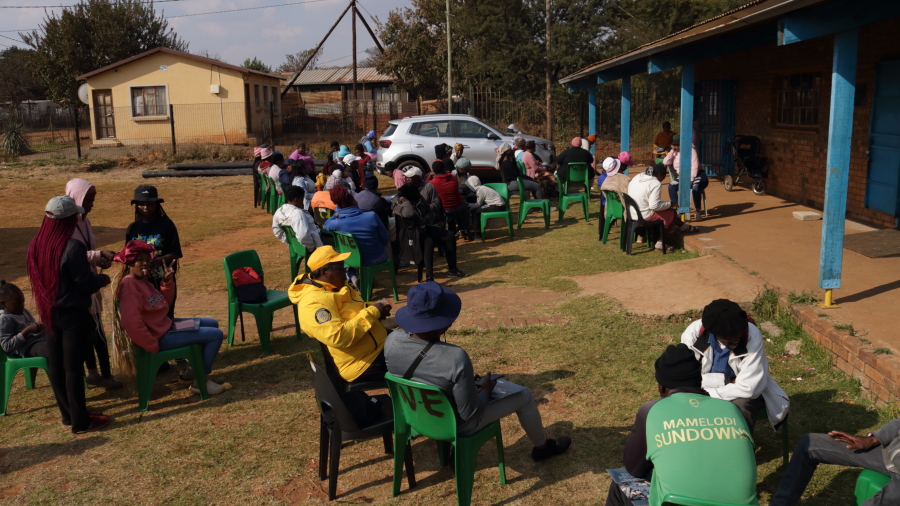
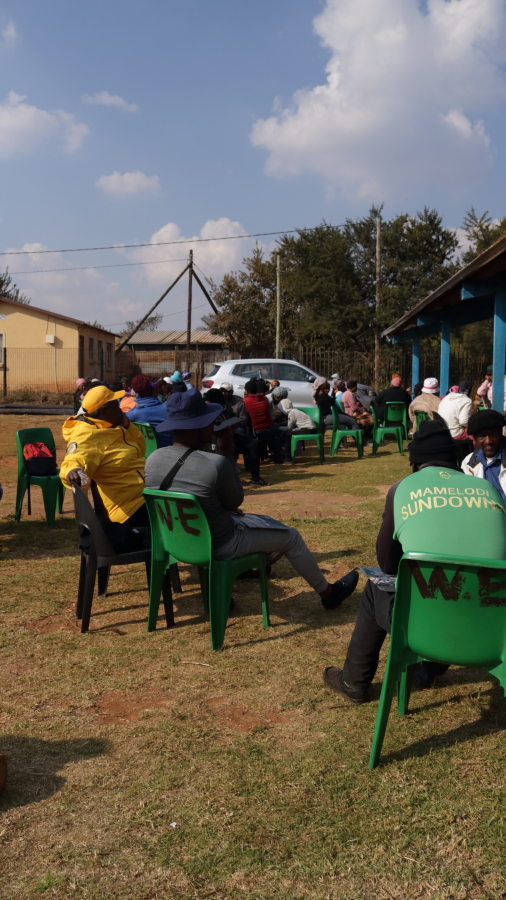
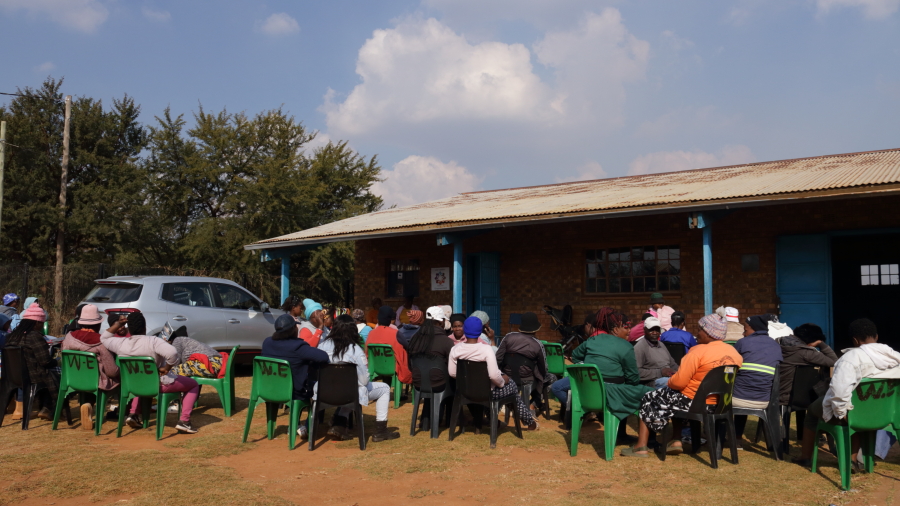
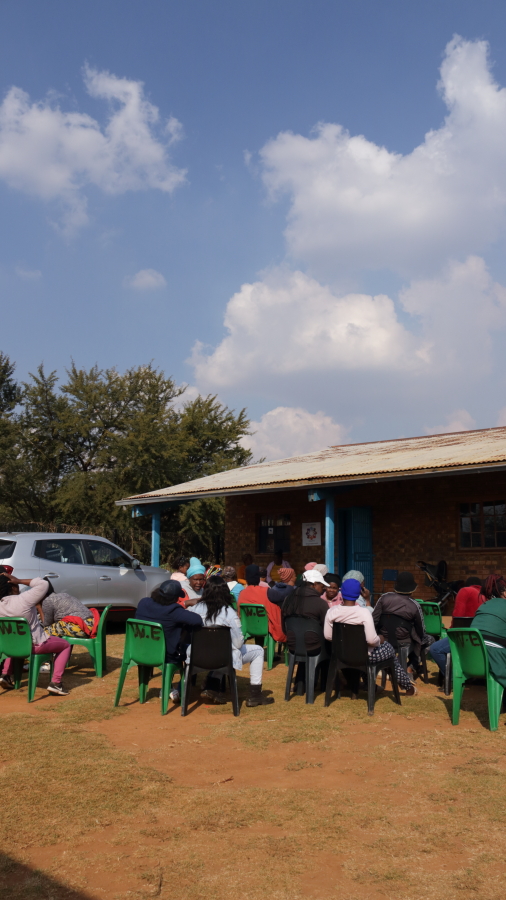

The screening therefore created a space for researchers and community members to discuss the findings collectively: what is currently happening with access to water, what has changed, what remains unresolved, what forms of support are needed, what accountability from the state should look like, and what type of development the communities envision. This is especially important given that these are communities where residents have repeatedly had to organise, improvise and spend their own money to meet basic needs that should be guaranteed through public services.
By bringing the video series and research findings back into the community, the screening ensured that the knowledge produced does not only circulate among academics, government officials or organisations outside the area. Rather, it ought to benefit the communities whose lives it discusses. The event was therefore both a feedback session and a moment of recognition: recognition of the daily work communities do to survive, of their resilience and organising, and of their right to be heard in discussions and decisions about access to water, service delivery and development.
—Mahlatse Rampedi, Researcher
